
Any shock-generating mechanism in the atmosphere can generate infrasonic waves — low-frequency sound (f ≈ 0.02–20 Hz) that propagates over long ranges.
Events can be detected as perturbations in density, temperature, particle velocity, or pressure (with the best signal-to-noise in pressure relative to the atmosphere). Infrasound has been proven to be a reliable means of detecting bolides and can be used to estimate bolide energy, location, event time, and source height.
Advantages
- Robust, cost-effective technology for detecting blast waves from bolides.
- Long operational and analytical heritage from nuclear monitoring (the USAF operated an infrasonic nuclear-explosion monitoring network from the late 1950s to 1972).
- Can distinguish meteors that interact explosively with the lower atmosphere from those that produce shock waves at higher altitudes.
- Nominal detection of kiloton explosions at 2000–3000 km ranges.
- Global coverage for megaton explosions.
- Detections at multiple stations can provide bolide locations.
- Detections can be combined with seismic, hydro-acoustic and satellite records for more complete characterization.
- Automatic processing with analyst review.
Equipment
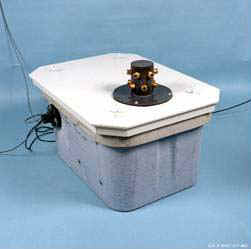
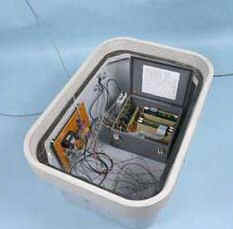
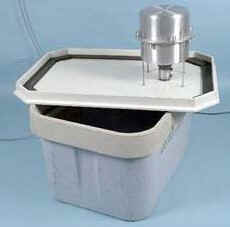
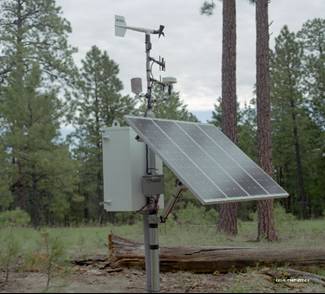
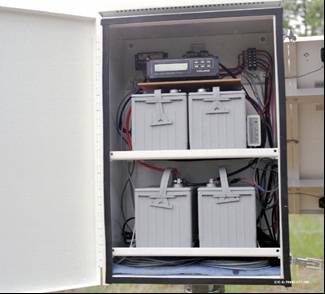
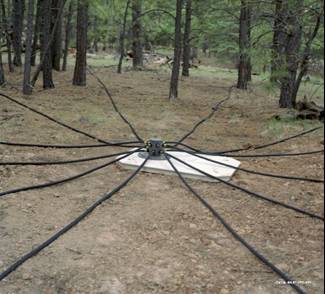
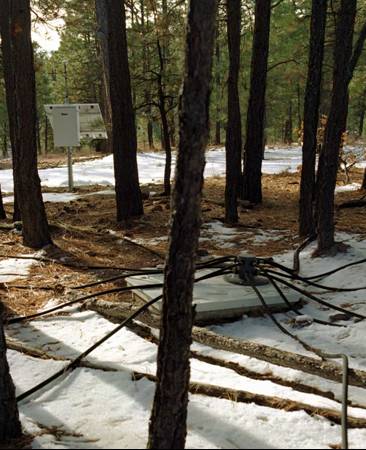
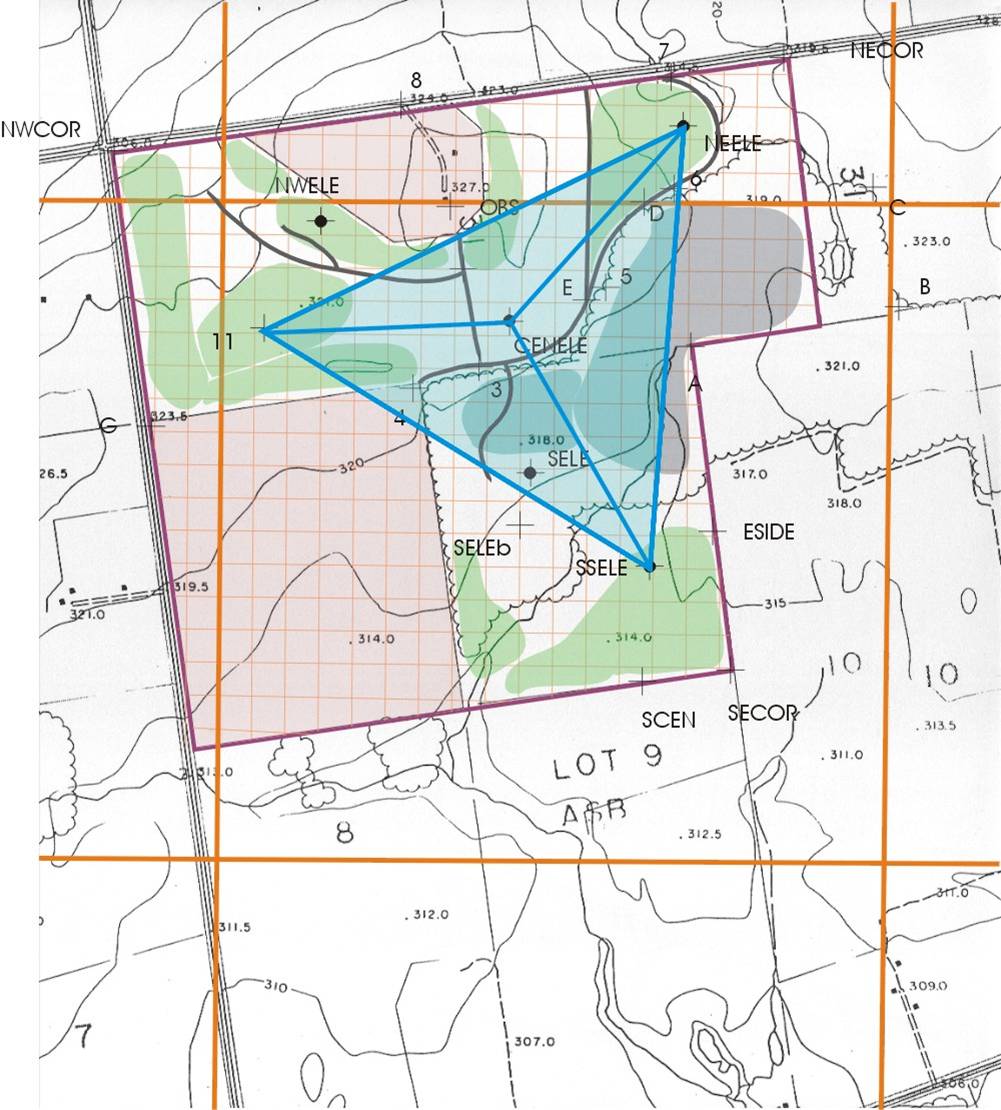
Research being done at Western
Bolide energy yield using infrasound observations
Goal: derive an empirical method to obtain bolide yields from
observed infrasound measurements.
Method: using signals from events observed by both infrasound and
satellite sensors (minimum range to source ≈ 250 km), measure maximum signal
amplitude, peak-to-peak amplitude, period at maximum amplitude, and
integrated signal energy relative to noise.
Conclusions: calibrated curves allow event-yield estimates from
infrasound alone; wind effects are slight; the bolide curve is somewhat lower
than those of nuclear/chemical explosions.
Future work: use the relations to bound theoretical predictions,
improve the curves with more data, and apply similar treatment to seismic
observations via air-to-ground coupling.
Trajectory, orbit, and acoustical analysis of the Park Forest fireball
The abstract is available on ADS. Video footage and more information on the Park Forest event are on the Park Forest videos page.